Family History ACCOUNTABILITY PROJECT- “How the Other Half Lived” - Part 7 - Meet Jack Jesson
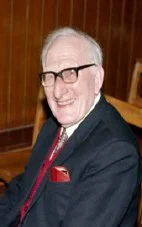
Jack was a musician and sweet shop owner from Birmingham and, from learning about his life, seemed to be a sweet man. Jack is my second cousin twice removed.

Family History ACCOUNTABILITY PROJECT- “How the Other Half Lived” - Part 6 - Who was Ann Jesson (1734-1799)?
Ann Jesson (1734-1799). Ann was born in Warwickshire to Pudsey Jesson and Elizabeth Freeman. Her claim to fame was marrying Sir Charles Holte, 6th Baronet of Aston Hall in Birmingham UK.

Family History ACCOUNTABILITY PROJECT- “How the Other Half Lived” - Part 5 - A Famous Father-in-Law
Thomas Jesson (1779-1860) was the son of Richard Jesson who I talked about in my last blog, the one who patented the first commercially successful method for producing wrought iron with coke. Needless to say, Thomas lived a privileged life.
He married Ann Elliot Percy in 1803. American born, Ann is the daughter of Rev William Percy, who was an ordained minister and a chaplain to Lady Selina Huntingdon the Countess of Huntington and became very prominent in spreading the gospel in America.

Family History ACCOUNTABILITY PROJECT- “How the Other Half Lived” - Part 4 - What Made the Jesson Family so prominent?
What made the Jesson family so prominent in the small area of West Bromwich in England?
Wealth, I discovered came in the form of iron.

Family History ACCOUNTABILITY PROJECT- “How the Other Half Lived” - Part 3 - How did a Jesson become a Baron?
Intrigued that there is a Jesson who is a Baron, I wanted to explore this Baron line further.

Family History ACCOUNTABILITY PROJECT- “How the Other Half Lived” - Part 2
Figuring out the line that was documented on my hand drawn family tree with the assistance of Ancestry.com, I identified 12 generations of the Jesson family. I then researched Thomas Henry Percy Touchet-Jesson, an actor, mauafacturer, a baron and married briefly to Sir Winston Churchill’s daughter.

Family History - ACCOUNTABILITY PROJECT- ‘How the Other Half Lived’- Part 1
Are you putting off a Family History research project? Set a goal to work on it THIS YEAR. Stay on track by being accountable to me or another fellow researcher.
Follow my 2026 Family History Research Project “How the Other Half Lived” for tips on completing your project.

Protecting and Displaying Memorabilia in a Scrapbook Album
A scrapbook page serves as a blank canvas, allowing you to add flat memorabilia. Using an archival album with polypropylene sleeves keeps items organised, protected, and slows their natural aging.